


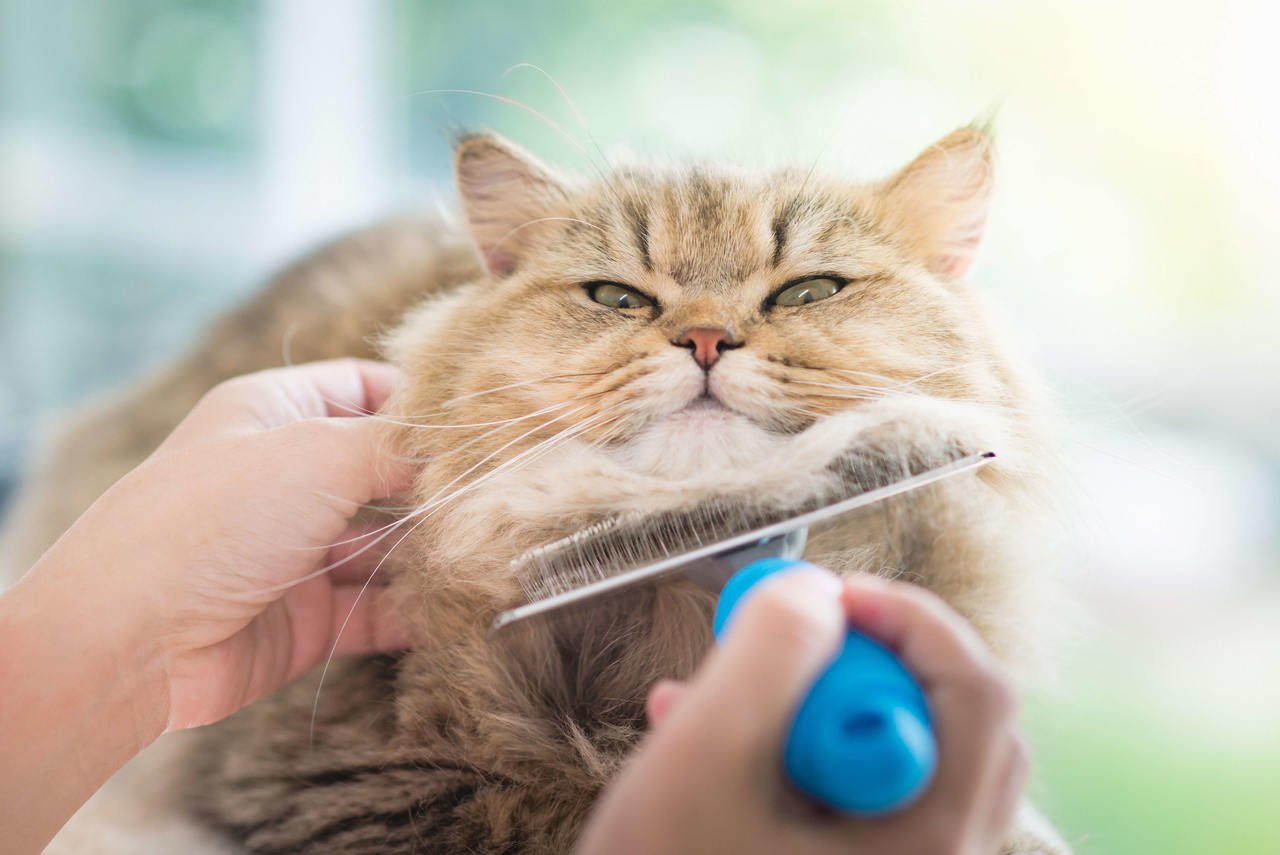
Cats spend a significant portion of their day grooming themselves. Their tongues contain tiny hook-like structures that help remove loose fur, which is often swallowed during grooming. In most cases, these hairs pass through the digestive system and are eliminated naturally. However, some hair can accumulate in the stomach or intestines, forming what is commonly known as a hairball. Hairballs are particularly common in long-haired breeds, older cats, and cats that shed heavily. Seasonal shedding periods may also increase the likelihood of hairball formation. Occasional hairball vomiting is generally considered normal, but frequent episodes may indicate an underlying issue. Common signs of hairballs include gagging, retching, vomiting hair, reduced appetite, constipation, and lethargy. In severe cases, hairballs can cause intestinal blockages, which require immediate veterinary attention. One of the most effective ways to reduce hairball formation is regular grooming. Brushing your cat several times a week helps remove loose fur before it can be swallowed. During heavy shedding seasons, daily brushing may be beneficial, especially for long-haired cats. Nutrition also plays an important role in managing hairballs. High-fiber diets can help support healthy digestion and promote the natural passage of ingested hair through the digestive tract. Many premium cat foods are specifically formulated for hairball control and may help reduce hairball-related issues. Adequate water intake is another key factor in maintaining digestive health. Cats that consume mostly dry food should be encouraged to drink more water. Water fountains and multiple water bowls placed throughout the home can help increase hydration. Hairball gels and malt pastes recommended by veterinarians may also be useful. These products help lubricate the digestive tract, allowing swallowed hair to pass more easily. However, any supplement should be used according to veterinary guidance. If your cat experiences frequent vomiting, prolonged constipation, abdominal discomfort, or loss of appetite, it is important to consult a veterinarian. Persistent hairball problems may sometimes indicate more serious digestive conditions that require professional evaluation. With proper grooming, balanced nutrition, adequate hydration, and regular veterinary care, most hairball issues can be effectively managed. Taking preventive measures will help keep your cat healthy, comfortable, and happy throughout its life.